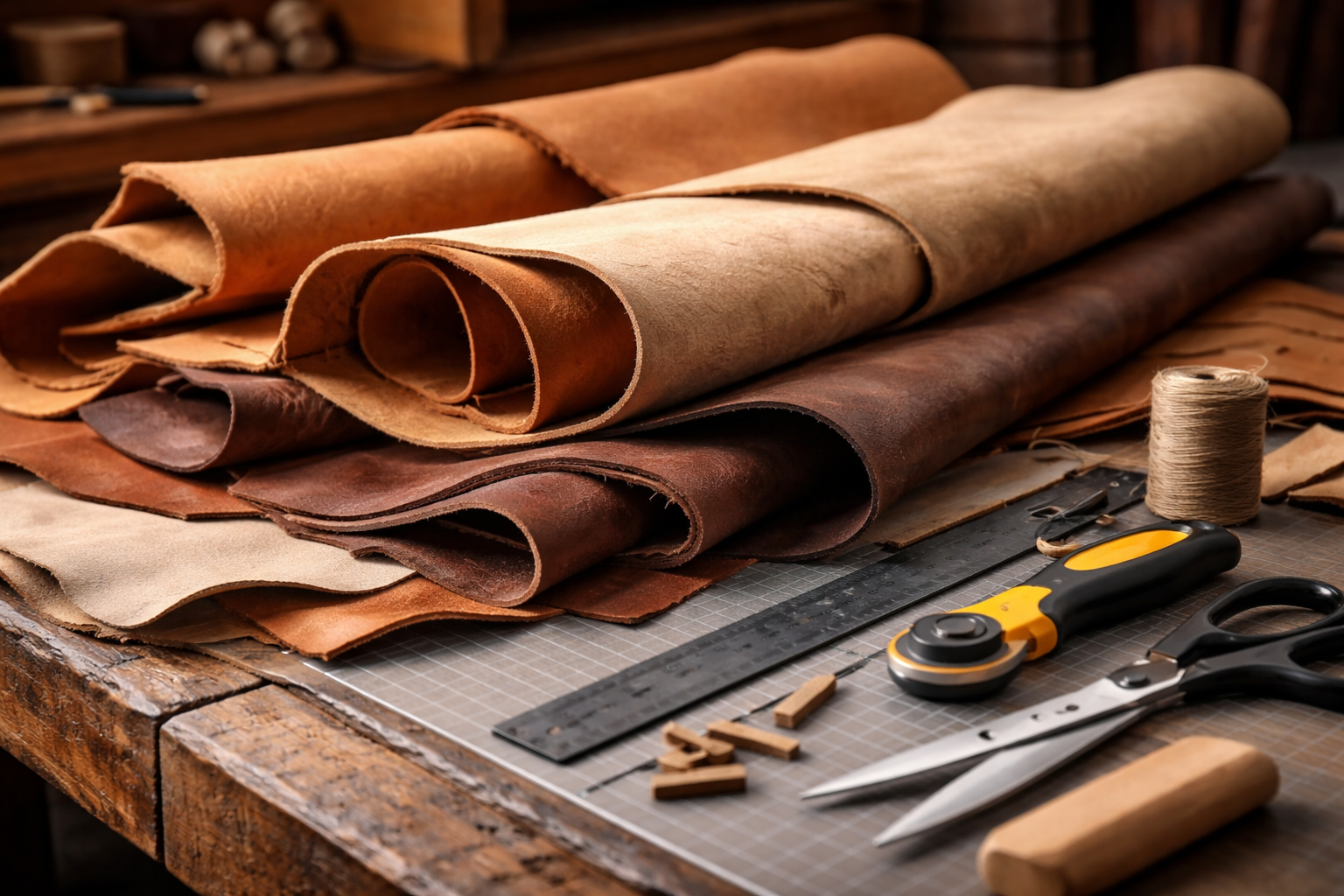
Zuschneidfelle Explained: Uses, Quality, and Practical Insights
Zuschneidfelle are a specialized category of processed animal hides that are prepared specifically for cutting and further use in manufacturing, crafts, upholstery, and technical applications. While the term may appear niche, it plays a central role in industries that depend on precision, durability, and material consistency. People searching for this topic are usually looking for clarity on what these hides are, how they differ from other leather types, and how to choose or use them correctly without costly mistakes.
This article is written for readers who want a clear, experience based, and trustworthy explanation. It avoids marketing language and focuses on real world understanding, challenges, and best practices drawn from professional leather handling, workshop experience, and industry standards. The goal is to help you make informed decisions, whether you are a craftsperson, manufacturer, designer, or researcher.
What Are Zuschneidfelle?
Zuschneidfelle are leather hides that have been prepared with the explicit purpose of being cut into smaller pieces. Unlike finished leather products, these hides are not shaped or assembled. They are delivered as flat or semi processed skins that allow flexibility in pattern cutting and production planning.
In practical terms, they represent the raw working surface for leather based manufacturing. The quality, preparation method, and grading of these hides directly affect waste rates, cutting accuracy, and the durability of the final product.
How Zuschneidfelle Differ From Other Leather Types
Not all leather hides are suitable for precise cutting. The defining characteristics of zuschneidfelle include:
- Uniform thickness across the hide
- Minimal surface defects in high use zones
- Predictable fiber structure
- Stable moisture content to prevent warping during cutting
Finished leather often prioritizes appearance, color, and surface coating. In contrast, cutting hides prioritize consistency and workability over aesthetics.
Why Zuschneidfelle Matter in Professional Use
In workshops and factories, material behavior determines efficiency. A hide that stretches unevenly or contains hidden weak points can ruin multiple components in a single production run.
Professionals value zuschneidfelle because they allow:
- Accurate pattern alignment
- Reduced material waste
- Consistent edge quality after cutting
- Reliable bonding and stitching performance
From firsthand observation in leather workshops, cutting hides with uneven fiber density often results in tearing during stitching or premature wear. Well prepared hides significantly reduce these risks.
Common Applications in the Real World
Zuschneidfelle are used across a wide range of industries. Their adaptability is the reason they remain in demand despite synthetic alternatives.
Leather Goods Manufacturing
Bags, belts, wallets, and straps all rely on precise cutting. Even small inconsistencies can be visible in finished consumer products.
Upholstery and Interior Design
Furniture manufacturers use these hides for seats, armrests, and panels where uniform tension and thickness are essential for comfort and longevity.
Automotive and Transport Interiors
Vehicle interiors demand predictable material behavior due to safety and durability standards. Cutting hides are selected carefully to meet these requirements.
Technical and Industrial Uses
In some cases, leather is used for vibration dampening, insulation, or protective layers. Zuschneidfelle are preferred because they can be shaped precisely to technical specifications.
Types of Zuschneidfelle Based on Processing
Understanding processing methods helps buyers match the hide to its intended use.
Vegetable Tanned Cutting Hides
These are processed using plant based tannins. They are firm, shapeable, and ideal for structured items.
Key traits include:
- Natural appearance
- High moldability when damp
- Long aging potential
Chrome Tanned Cutting Hides
Chrome tanning produces softer, more flexible material. These hides are common in upholstery and garments.
Advantages include:
- Consistent softness
- Color stability
- Resistance to moisture
Combination Tanned Options
Some hides use both methods to balance firmness and flexibility. These are often chosen for mixed use products.
Quality Indicators Professionals Look For
Evaluating zuschneidfelle is both a visual and tactile process. Experience plays a major role.
Surface Inspection
Look for scars, insect bites, and stretch marks. While some natural markings are acceptable, excessive defects increase waste.
Thickness Consistency
Uneven thickness leads to cutting and stitching problems. Professionals often measure multiple points across the hide.
Fiber Density
Dense fiber structure ensures strength. Loose fibers can cause fraying and weak edges.
Moisture Balance
Overly dry hides crack during cutting. Excessively moist hides stretch unpredictably.
Challenges When Working With Zuschneidfelle
Even high quality hides present challenges. Being aware of these issues helps prevent costly errors.
Natural Variability
No two hides are identical. Pattern placement must account for weaker zones near the belly or neck.
Storage Sensitivity
Improper storage can alter moisture content, leading to stiffness or mold growth.
Tool Compatibility
Dull blades or incorrect cutting angles damage fibers and reduce edge quality.
Best Practices for Cutting and Handling
Based on workshop experience, the following practices improve outcomes significantly.
Preparation Before Cutting
- Allow hides to acclimate to room conditions
- Lay them flat for several hours
- Mark patterns lightly to avoid surface damage
Cutting Techniques
- Use sharp blades or calibrated cutting machines
- Follow the natural grain direction when possible
- Avoid excessive pressure that compresses fibers
Post Cutting Handling
- Stack cut pieces evenly
- Protect edges from friction
- Maintain consistent humidity during storage
Sustainability and Ethical Considerations
Modern buyers increasingly care about sourcing and environmental impact.
Zuschneidfelle are often byproducts of the meat industry, which can reduce waste when managed responsibly. However, tanning processes vary widely in environmental impact.
Responsible sourcing involves:
- Transparent supply chains
- Wastewater treatment in tanneries
- Compliance with animal welfare standards
While certifications exist, evaluating actual practices often requires direct supplier communication.
Misconceptions About Zuschneidfelle
Several myths persist online and in informal discussions.
One common misconception is that all cutting hides are low quality. In reality, many premium products begin with these hides and achieve their value through skilled processing.
Another misconception is that thicker hides are always better. Excess thickness can reduce flexibility and increase production difficulty.
How to Choose the Right Zuschneidfelle for Your Project
Selection should always start with intended use, not price or appearance alone.
Consider:
- Final product stress points
- Required flexibility or rigidity
- Environmental exposure
- Tooling and finishing methods
From experience, mismatched material choice is the leading cause of early product failure in leather goods.
Frequently Asked Questions
What does zuschneidfelle mean in simple terms?
It refers to leather hides prepared specifically for cutting into parts used in manufacturing or crafts.
Are zuschneidfelle suitable for beginners?
Yes, but beginners should start with smaller hides to learn material behavior and cutting techniques.
Do these hides come finished or unfinished?
They are usually semi processed, allowing customization after cutting.
How long can zuschneidfelle be stored?
With proper conditions, several years. Poor storage can damage them within months.
Is thicker always better for durability?
No. Proper fiber density and tanning matter more than thickness alone.
Conclusion
Zuschneidfelle form the foundation of countless leather products, yet they are often misunderstood. Their value lies not in appearance, but in consistency, predictability, and adaptability. Understanding how they are processed, evaluated, and handled allows professionals and enthusiasts alike to reduce waste, improve quality, and extend product lifespan.
By focusing on real world application rather than assumptions, users can approach these hides with confidence and clarity.