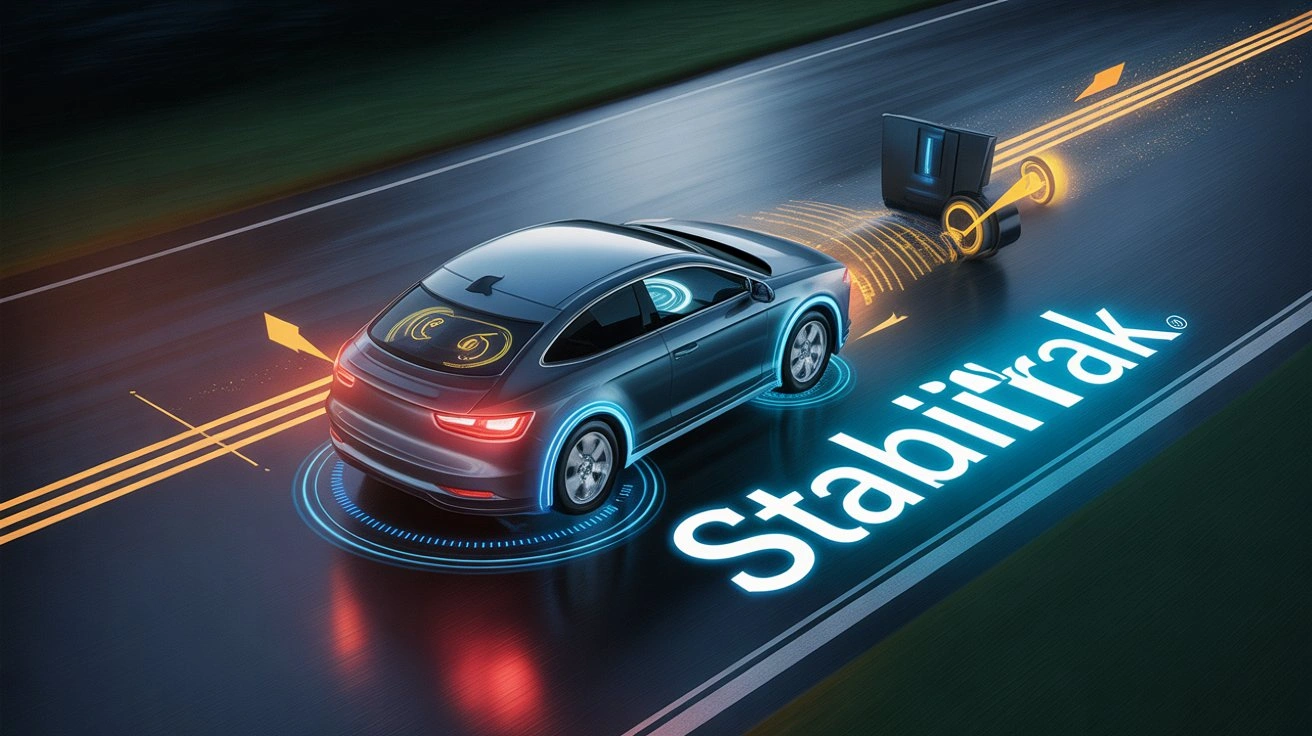
Stabilitrak Explained: The Essential Safety System Drivers Trust
Vehicle safety has evolved far beyond seatbelts and airbags. Today, advanced electronic systems quietly assist drivers every second, often without being noticed—until something goes wrong. One of the most important of these technologies is Stabilitrak, a stability control system designed to help drivers maintain control during unexpected or dangerous driving conditions.
Many drivers first learn about this system when a dashboard message appears saying “Service Stabilitrak.” That moment often raises questions, concerns, and confusion. Is the vehicle still safe? What caused the warning? Is it expensive to fix?
This guide answers those questions clearly and thoroughly. It explains how the system works, why it matters, what common problems look like, and how real drivers experience it in everyday conditions. Whether you are a new car owner or an experienced driver, understanding this system helps you make safer, smarter decisions behind the wheel.
What Stabilitrak Means in Simple Terms
Stabilitrak is an electronic stability control system used primarily in General Motors vehicles. Its main purpose is to help keep the vehicle moving in the direction the driver intends, especially during sudden turns, slippery roads, or emergency maneuvers.
Unlike basic traction control, which focuses on preventing wheel spin during acceleration, this system looks at the vehicle as a whole. It monitors steering input, wheel movement, and body motion. If the system senses that the vehicle is beginning to slide, drift, or rotate more than it should, it steps in automatically.
The intervention happens in milliseconds and usually without the driver noticing. That quiet response is what makes the system so effective—and why many drivers only realize its importance when it stops working.
How the Stabilitrak System Works in Real Driving
The system relies on a network of sensors and control modules that constantly communicate while the vehicle is moving. These components measure how fast each wheel turns, how sharply the steering wheel is angled, and how the vehicle body moves relative to the road.
If the driver turns the steering wheel but the vehicle continues straight, the system recognizes understeer. If the rear end begins to swing outward, it identifies oversteer. In either case, the system responds by adjusting engine power or applying braking force to individual wheels.
This selective braking is key. Instead of slowing the entire vehicle, it targets specific wheels to correct the vehicle’s path. The result is improved stability without sacrificing control or comfort.
Why Stabilitrak Matters for Everyday Safety
Many drivers assume advanced safety systems only matter in extreme conditions. In reality, this technology provides value during everyday driving situations.
Wet roads, loose gravel, snow, sudden lane changes, or avoiding debris can all trigger instability. Human reaction time has limits, but this system reacts faster than any driver can. That speed often prevents a minor slip from becoming a serious accident.
Insurance industry data and real-world crash analysis consistently show that vehicles equipped with stability control systems experience fewer loss-of-control accidents. This is especially true for SUVs and trucks, where higher centers of gravity increase rollover risk.
Benefits Drivers Experience Over Time
The advantages of this system become clearer the longer a vehicle is driven. Many drivers report improved confidence, especially in poor weather or unfamiliar terrain.
The most noticeable benefits include:
- Greater control during sudden steering inputs
- Reduced skidding on wet or icy roads
- Better handling when towing or carrying heavy loads
- Increased overall driving confidence
These benefits are not dramatic or intrusive. Instead, they work quietly in the background, supporting the driver without changing how the vehicle feels under normal conditions.
What Triggers a Stabilitrak Warning Message
When a warning message appears, it usually means the system has detected a fault and temporarily disabled itself. The vehicle remains drivable, but without the added stability assistance.
Common causes include sensor issues, electrical problems, or related brake system faults. Even a weak battery can sometimes cause incorrect system readings, leading to a warning.
It is important to understand that the message does not always mean something is seriously broken. Sometimes the issue is minor, intermittent, or related to recent maintenance work.
Two Most Common Categories of Problems
Sensor and Calibration Issues
These problems often occur after suspension repairs, wheel alignment, or tire changes. Sensors may become misaligned or send inconsistent data. Dirt, corrosion, or road debris can also interfere with sensor readings.
Electrical and Power Supply Problems
Low battery voltage, poor ground connections, or aging wiring can interrupt communication between control modules. Modern vehicles rely heavily on stable electrical signals, and even small voltage drops can trigger system warnings.
How the Vehicle Behaves When the System Is Disabled
When the system is not functioning, drivers may notice subtle changes in handling. The vehicle might feel less stable during sharp turns or on slick surfaces. Traction control may also be limited or unavailable.
In dry, calm conditions, many drivers notice little difference. However, the lack of electronic assistance becomes more noticeable during emergency maneuvers or adverse weather.
Driving cautiously until the issue is resolved is strongly recommended.
Step-by-Step What to Do When the Warning Appears
This is one of only two sections where bullet points are used, as requested.
- Turn the vehicle off and restart it after a short wait
- Check the battery condition and ensure terminals are secure
- Look for other warning lights related to brakes or traction
- Avoid aggressive driving until the issue is diagnosed
- Schedule a diagnostic scan if the warning persists
Often, a professional scan reveals the exact cause within minutes.
Can You Keep Driving Safely Without Stabilitrak?
Yes, the vehicle can still be driven, but it is not operating at full safety capability. The risk increases significantly in rain, snow, or emergency situations.
For short trips in good conditions, driving carefully is usually acceptable. For long trips or challenging conditions, addressing the issue promptly is the safer choice.
Real-World Driving Experiences
Drivers frequently share similar stories. One common scenario involves the warning appearing after cold weather or heavy rain, then disappearing temporarily. Another involves the message showing up after brake or suspension work.
In many cases, the root cause turns out to be a simple sensor replacement or wiring repair rather than a major mechanical failure. These real experiences highlight the importance of proper diagnosis rather than assumption.
Common Myths That Create Confusion
Some drivers believe the warning can be ignored permanently if the car seems to drive fine. Others assume the repair will always be expensive.
In reality, costs vary widely, and many issues are relatively minor. Ignoring the warning, however, removes an important safety layer that could be critical when it is needed most.
Maintenance Tips to Reduce Future Problems
This is the second and final section where bullet points are used.
- Maintain a healthy battery and charging system
- Keep tires properly inflated and evenly worn
- Address brake issues promptly
- Use qualified technicians for suspension work
Preventive care reduces the likelihood of system faults and false warnings.
Why Stabilitrak Reflects Modern Automotive Safety
This technology represents a shift from reactive safety to proactive accident prevention. Instead of protecting occupants after a crash, it helps prevent the crash from happening in the first place.
As vehicles become more advanced, systems like this form the foundation for future driver-assistance and automated safety technologies.
Frequently Asked Questions
What does a Stabilitrak warning mean?
It means the system detected a fault and may be temporarily disabled until the issue is resolved.
Is it dangerous to ignore the warning?
While the car may still drive normally, safety assistance is reduced, especially in poor conditions.
Does this system work with traction control?
Yes, both systems share data and work together to improve stability and control.
Can weather cause warning messages?
Extreme cold, moisture, or road debris can temporarily affect sensors.
Is the repair usually expensive?
Costs depend on the cause. Many repairs are relatively affordable when addressed early.
Will the warning reset itself?
Temporary faults may clear, but persistent issues require diagnosis.
Conclusion
Stabilitrak is one of the most important yet least understood safety systems in modern vehicles. It operates quietly, intervenes only when necessary, and significantly improves control during unexpected situations. When a warning appears, it should not be ignored—but it also should not cause panic.
Understanding how the system works, why warnings occur, and how to respond empowers drivers to maintain safety, confidence, and peace of mind on the road.