What Eating Outside Says About Our Modern Lifestyle
Eating outside used to mark a moment. It meant a birthday, a date, or a planned evening. Today it often fills the space between meetings, errands, and screens. The shift happened gradually. Cafés opened earlier, delivery apps shortened wait times, and casual dining blurred the line between home food and restaurant food. What once required intention now happens by default.
This change affects how people think about meals. When food is always available outside the home, planning loses urgency. Shopping lists shrink. Cooking becomes optional rather than expected. Meals stop acting as anchors in the day and turn into background activity. Lunch happens when there is time. Dinner happens when someone is tired. The meaning of the meal changes before the food even arrives.
Routine dining out also alters expectations. People begin to expect speed, choice, and minimal effort. Waiting feels unnecessary. Repetition feels boring. Home meals can start to feel slow or limiting by comparison. The result is not that people dislike cooking, but that cooking no longer fits easily into how their days are structured.
Over time, eating outside becomes less about taste and more about friction reduction. The fewer steps required, the more attractive the option. This mindset carries over into other areas of life. People begin to outsource not just food, but planning, preparation, and cleanup. Meals become something consumed rather than something built into daily rhythm.
This does not happen because people stop caring about food. It happens because food becomes one more task competing for attention. Eating outside fits modern schedules better than sitting down to cook. That convenience quietly reshapes habits long before anyone reflects on it.
The Time Trade, What You Gain and What You Lose
Eating outside saves time on the surface. There is no chopping, no washing, no cleanup. That time feels reclaimed. Yet the time saved does not always return as free time. It often gets absorbed by work, scrolling, or errands. The meal no longer creates a pause in the day. It becomes another item squeezed between obligations.
Home cooking forces a break. Even simple meals require stopping, standing, and focusing on one task. Eating outside removes that forced slowdown. Meals can happen while walking, driving, or answering messages. The body eats, but the mind stays elsewhere. Over time, this affects how days feel. They become flatter, less segmented.
Evenings change as well. When dinner comes from outside, the transition from work to rest becomes thinner. Cooking used to mark that shift. Without it, work hours stretch later. People sit down with food still thinking about tasks. The meal no longer signals closure.
Weekends follow a similar pattern. Brunch replaces breakfast at home. Coffee runs replace slow mornings. While these outings feel social, they also compress time. Money exchanges for convenience, but the day can feel shorter, not fuller.
This time trade is not inherently negative. For many people, eating outside allows flexibility they need. The issue arises when every meal follows the same pattern. Without deliberate pauses, days blur together. Meals lose their role as natural boundaries. Life speeds up without a clear sense of movement.
Social Life at the Table, Looser Bonds or New Connections
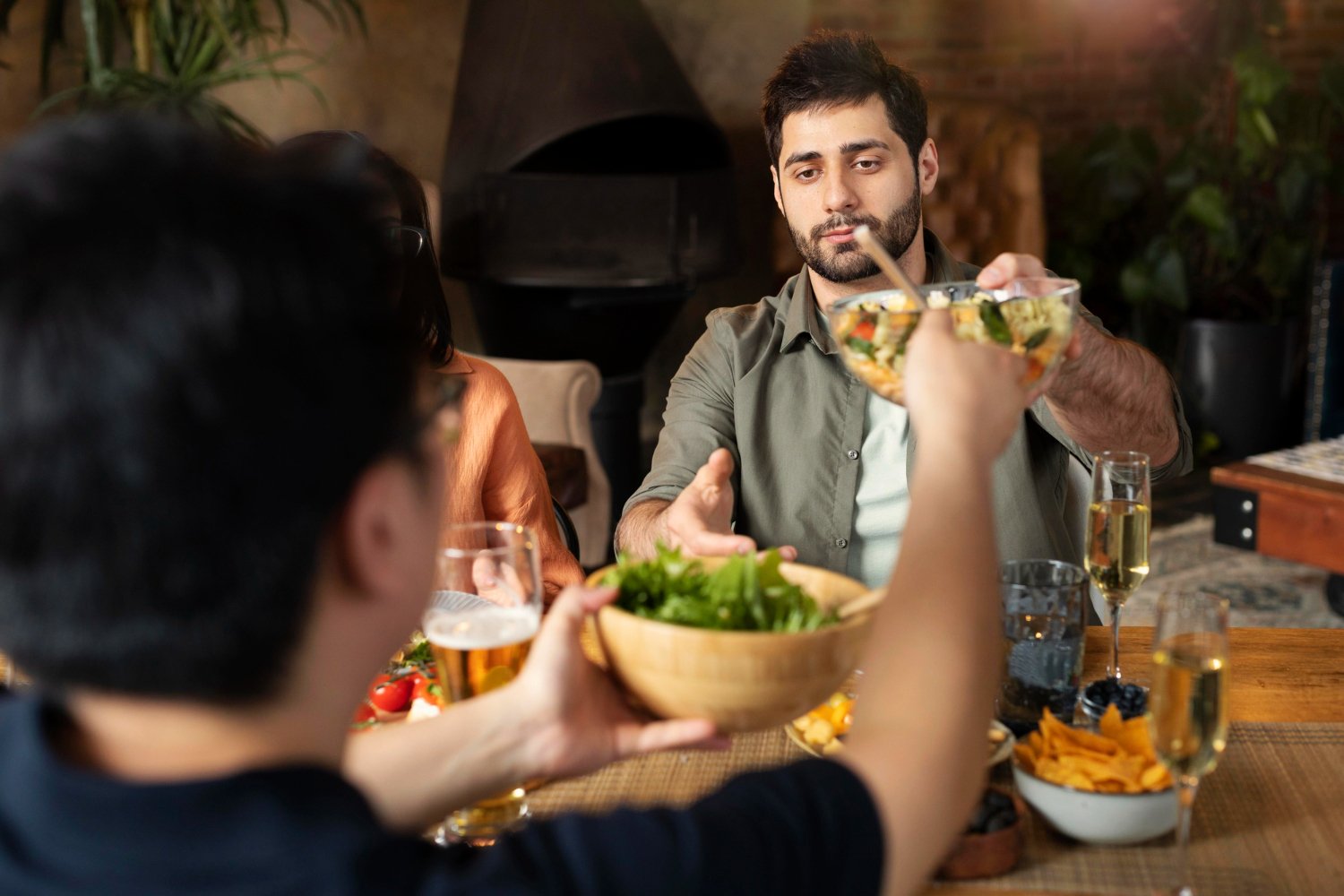
Eating outside has become a default social setting. Friends meet at cafés. Colleagues talk over lunch. Dates unfold across menus. Restaurants offer neutral ground. No one hosts. No one cleans. That neutrality lowers barriers to meeting.
This convenience supports social connection, especially in busy cities. It allows people to see each other without preparation stress. It also levels differences. Everyone orders, everyone pays, everyone leaves. There is comfort in that structure.
At the same time, public dining changes how people interact. Conversations tend to follow the rhythm of service. They pause for menus, orders, and interruptions. Attention splits between people and surroundings. Phones stay on the table. Time feels rented rather than owned.
Home meals create different dynamics. The act of cooking for someone signals effort. The space invites longer stays. Silence feels less awkward. Eating outside can limit that depth, not because people care less, but because the environment encourages movement.
For some relationships, public dining works well. It suits casual friendships and professional connections. For others, it becomes a substitute for deeper shared time. When every meeting happens outside, relationships can stay surface-level without anyone noticing.
The shift matters most when eating outside replaces shared home meals entirely. Families that rely heavily on outside food often spend less time together at the table. Conversations shorten. Rituals fade. The loss is subtle, but cumulative.
Body Signals, Appetite, and the Loss of Food Awareness
Regularly eating outside changes how people relate to hunger and fullness. Restaurant portions are designed to satisfy broad expectations. Plates arrive full. Flavors are bold. Eating becomes reactive rather than responsive. People eat what is served, not what their body asks for.
Speed plays a role. Meals eaten outside often happen faster. Distractions pull attention away from chewing and pacing. Fullness arrives late. Over time, people learn to rely on external cues rather than internal ones. The empty plate becomes the signal to stop.
Another shift comes from distance to ingredients. When people cook, they see quantities, textures, and changes during preparation. That process builds awareness. Eating outside removes that visibility. Food arrives finished. Ingredients become abstract. This distance affects how people think about food quality and balance.
Appetite also adapts. Frequent exposure to rich flavors can dull sensitivity. Simple foods feel less satisfying. This does not happen overnight, but gradually. People seek stronger tastes to feel the same response. Home meals may start to feel bland, even when they are nourishing.
The body adjusts to patterns it repeats. When eating outside dominates, the body learns to expect larger portions and higher stimulation. Reversing that pattern requires attention, not restriction. Awareness must be rebuilt deliberately.
Money, Identity, and the Cost You Stop Noticing
Spending on food outside often feels small in isolation. A coffee here. A lunch there. A casual dinner after work. Each transaction seems reasonable. Together, they form a steady drain that blends into daily life.
Unlike grocery shopping, these costs are scattered. They do not appear as one visible total. This makes them harder to evaluate. People often underestimate how much they spend eating outside because no single moment feels excessive.
Eating outside also becomes part of identity. The café someone chooses, the restaurant they frequent, the places they post about all signal lifestyle. Food becomes social currency. This adds pressure to participate, even when budgets tighten.
Over time, this spending shapes choices. People may delay savings goals or cut elsewhere without connecting the dots. The habit feels normal, so it escapes scrutiny.
This does not mean eating outside is wasteful. It means it carries weight beyond taste. It influences financial rhythm and self-perception. When people align their spending with awareness, eating outside becomes a choice rather than a drift.
Space, Design, and How Public Eating Changes Private Living
As eating outside increases, homes adapt. Kitchens shrink. Dining tables disappear. Appliances focus on reheating rather than cooking. Living spaces prioritize comfort over function.
This design shift reflects behavior. When meals happen elsewhere, the home no longer needs to support them fully. The table becomes decorative. Storage replaces prep space. Eating moves from a central activity to a secondary one.
Public dining spaces fill that gap. Cafés offer seating, lighting, and atmosphere that homes no longer provide. People work, meet, and linger there. The design of these spaces influences expectations. Comfort, spacing, and even restaurant chairs shape how people think meals should feel.
This externalization of dining affects domestic life. Homes become places to sleep and recover rather than gather. This suits some lifestyles, especially for individuals. For families, it can reduce shared time unless addressed intentionally.
The built environment responds to habits. As eating outside grows, cities offer more places to sit, eat, and move on. Homes follow suit. The question becomes whether this supports the life people want, or simply reflects the one they drift into.
Rebalancing Without Going Backwards
Eating outside is not the problem. Losing intention is. The goal is not to reject modern convenience, but to use it deliberately. Meals can still happen outside without replacing every shared moment.
Rebalancing starts with awareness. Noticing when eating outside adds value and when it fills a gap. Choosing certain meals to slow down, even if others stay quick. Creating small rituals at home without turning them into burdens.
This might mean one shared meal a day or a few home-cooked dinners a week. It might mean eating outside without multitasking. It might mean budgeting consciously rather than reactively.
The point is not control. It is alignment. When eating outside supports lifestyle goals, it feels satisfying. When it replaces them, it creates quiet friction.
Modern life will not slow down on its own. Meals remain one of the few daily opportunities to pause, connect, and reset. Whether that happens at home or outside matters less than whether it happens with intention.