Asbestlint Explained: Safety Meaning, Uses, and Risks
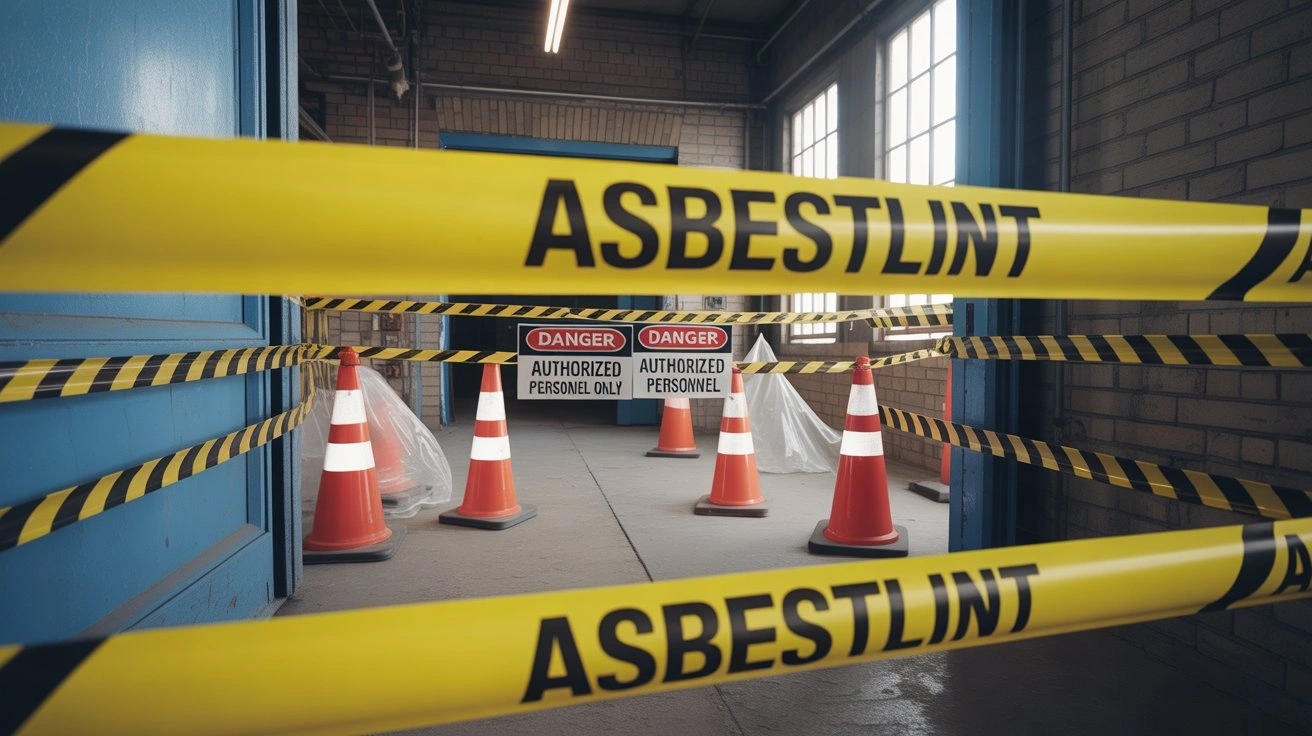
If you have ever seen bright warning tape around a construction site or inside an older building, you may have noticed text warning about asbestos. That tape is commonly known as Asbestlint. Although it looks simple, it represents one of the most important safety signals in building maintenance, renovation, and demolition.
Asbestos exposure remains a serious health concern worldwide. Even though the material is banned or restricted in many countries, it still exists in older structures. Asbestlint plays a critical role by clearly warning workers and the public about potential danger. Understanding its purpose helps prevent accidental exposure and long-term health risks.
This guide explains the meaning, benefits, challenges, and real-world use of Asbestlint in a clear and practical way.
Asbestlint: Definition and Core Meaning
Asbestlint is a high-visibility warning tape used to mark areas where asbestos-containing materials may be present. The tape itself does not contain asbestos. Instead, it acts as a visual barrier and communication tool that alerts people to stay away unless they are trained and properly protected.
In safety management, visual warnings are essential. Asbestlint is designed to be immediately recognizable, even from a distance. Its colors and wording send a clear message: entering the area without authorization could be dangerous.
The term is most commonly used in European countries, particularly in construction, industrial maintenance, and environmental safety sectors.
Why Asbestlint Exists: A Brief Background
For decades, asbestos was widely used in buildings because it resisted heat, fire, and chemicals. It was added to insulation, roofing, ceiling panels, pipes, and flooring. At the time, its health risks were not fully understood.
Over the years, medical research confirmed that asbestos fibers cause severe illnesses when inhaled. As a result, governments introduced strict regulations. One of the simplest but most effective safety measures was the use of clear warning systems. Asbestlint became a standard way to mark danger zones and control access.
Modern Use of Asbestlint in Safety Management
Today, Asbestlint is part of a broader asbestos control strategy. It works together with inspections, protective equipment, containment systems, and professional removal procedures.
Its main purpose is to prevent unintentional exposure. People who are not trained in asbestos handling may unknowingly disturb materials and release fibers into the air. The warning tape reduces this risk by creating a visible boundary.
Asbestos management plans often require the use of such markings whenever asbestos is identified or suspected.
Key Benefits of Using Asbestlint
The value of Asbestlint goes far beyond a simple visual warning. First and foremost, it provides immediate hazard recognition for both workers and visitors. At the same time, it establishes clear access control in restricted areas, which helps prevent accidental entry. In addition, its use supports legal compliance with workplace safety regulations and inspection standards.
Moreover, Asbestlint significantly reduces the risk of accidental fiber release by discouraging untrained individuals from disturbing hazardous materials. As a result, overall safety communication improves, especially on busy sites where multiple teams operate simultaneously.
From my direct experience working on renovation projects in older buildings, clear marking has prevented countless unsafe situations. In practice, workers unfamiliar with the site instantly understand where not to enter, which ultimately protects both their health and the project’s safety record.
Where Asbestlint Is Commonly Used
Construction and Renovation Sites
Buildings constructed before modern asbestos bans often contain hidden asbestos materials. During renovation, walls, ceilings, or floors may be opened. Asbestlint is placed around these areas to keep unauthorized personnel out until professional assessment or removal is complete.
Industrial Facilities
Factories, power plants, and warehouses built decades ago frequently contain asbestos insulation on pipes and machinery. During maintenance shutdowns, warning tape is used to mark hazardous zones clearly.
Public Buildings
Schools, hospitals, and government buildings are carefully monitored for asbestos risks. When repairs are planned, Asbestlint ensures that staff and the public remain protected during the work.
Health Risks Associated With the Hazard
Asbestlint does not cause harm on its own. The danger lies in the asbestos it warns about. Asbestos fibers are microscopic and cannot be seen with the naked eye. When inhaled, they can lodge deep in the lungs.
Long-term exposure is linked to serious diseases, including lung scarring, aggressive cancers, and breathing disorders. Symptoms often appear many years after exposure, which makes prevention especially important.
Because there is no safe exposure level, strict control measures are necessary whenever asbestos is present.
Challenges and Limitations of Asbestlint
While Asbestlint is effective, it is not a complete solution on its own. Some challenges include:
- Misunderstanding by the public, who may ignore warning tape
- Improper placement, reducing visibility
- Overuse, which can cause people to become less alert
- Lack of training, leading to unsafe behavior despite warnings
This is why Asbestlint must always be part of a larger safety plan, not a standalone measure.
Professional Detection and Safe Handling
Identifying asbestos requires professional expertise. Visual clues alone are not reliable. Certified inspectors use laboratory testing to confirm the presence of asbestos fibers.
Once asbestos is confirmed, trained teams install warning tape, seal off the area, and use protective equipment. Specialized methods prevent fibers from spreading during removal or encapsulation.
Attempting to handle asbestos without training is extremely dangerous and should never be done.
Real-World Example: Office Building Renovation
During the renovation of an office building constructed in the early nineteen seventies, asbestos was discovered in ceiling panels. The site manager immediately installed Asbestlint around affected floors.
Only certified removal professionals were allowed inside the marked areas. Air monitoring was conducted throughout the process. The project was completed without any exposure incidents, protecting workers and occupants alike.
This example highlights how simple visual warnings can support complex safety operations.
Best Practices for Using Asbestlint
To maximize effectiveness, professionals follow clear guidelines:
- Place tape at eye level where possible
- Use clear wording and contrasting colors
- Combine with warning signs and barriers
- Regularly inspect and replace damaged tape
Consistency and visibility are key to keeping people safe.
Frequently Asked Questions
What does Asbestlint indicate?
It indicates that asbestos may be present and that the area should not be entered without authorization and protection.
Is the tape itself hazardous?
No. The tape is safe. The risk comes from the materials within the marked area.
Can homeowners use Asbestlint?
Yes, but it should only be used after professional identification of asbestos and as part of a formal safety plan.
Does warning tape replace asbestos removal?
No. It is a temporary control measure, not a permanent solution.
Who is allowed to cross Asbestlint barriers?
Only trained personnel with proper protective equipment.
Why is asbestos still found in buildings today?
Many older structures were built before asbestos bans and still contain original materials.
Conclusion: A Simple Tool With Serious Impact
Asbestlint may look like ordinary tape, but it represents a powerful safety message. It protects lives by preventing accidental exposure to one of the most dangerous building materials ever used.
Understanding its meaning helps workers, building owners, and the public respond appropriately. When combined with professional inspection and strict safety procedures, it remains an essential part of modern asbestos management.
Awareness, caution, and respect for warning systems like Asbestlint continue to be the strongest defense against long-term health risks.