How a Portable Power Station Can Transform Your Outdoor Adventures
Spending time outdoors involves liberation, adventure, and being in touch with nature. However, one significant issue for adventurers has always been the ability to remain powered in remote areas. The solution to this problem is a portable power station, which provides reliable, quiet, and clean energy wherever you may be.
Camping, hiking, and working outside are just a few of the ways in which a power station can make your outdoor experience significantly better.
What is a Portable Power Station?
A portable power station is a rechargeable battery system created to deliver electricity in different scenarios. Unlike traditional generators, it operates quietly and produces no harmful emissions, making it safe for indoor or outdoor use.
Contemporary units have AC, DC, and USB outputs, which means you can charge smartphones, laptops, cameras, or even small appliances. Most power stations use lithium-ion or LiFePO4 batteries, which provide long-lasting performance and are lighter than older technologies.
These devices can be charged via wall outlets, car ports, or solar panels, giving flexibility for extended outdoor trips.
Advantages of a Portable Power Station
A portable power station is more than just a convenient gadget. It transforms the outdoor experience in several ways.
Reliable Power Anywhere
A power station keeps your devices running even in remote areas. Unlike fuel-based generators, you do not need to carry heavy fuel containers or worry about fumes. This reliability is particularly valuable for camping, fishing, or emergency situations.
Environmentally Friendly
Portable power stations are clean energy solutions. They produce less noise and carbon emissions compared to traditional generators. Models that support solar panels can be charged sustainably, making them an environmentally responsible choice in sensitive areas.
Flexibility and Practicability
These devices have multiple outputs, which allows you to charge several devices at the same time. A portable power station can power cameras, smartphones, mini-refrigerators, laptops, and a wide range of other electronics.
This versatility makes it useful for families, remote workers, and outdoor content creators.
Portability
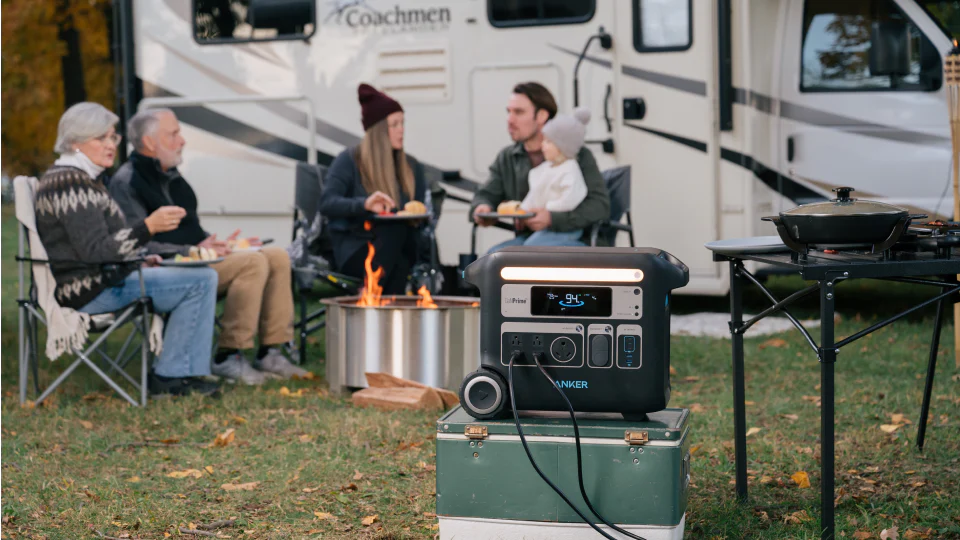
One of the biggest advantages is their lightweight and compact design. Most models feature handles or carrying cases, making them easy to transport on hikes, road trips, or RV adventures.
Unlike heavy generators, they take up minimal space and do not require complex installation.
Choosing the Right Portable Power Station
Selecting the right power station depends on your needs and usage patterns.
Battery Capacity
Battery capacity is measured in watt-hours (Wh) and determines how long your devices can run. A 300-500Wh station is sufficient for small electronics, while 1000Wh or more is ideal for powering larger devices or extended trips.
Output Options
Consider the type and number of output ports. AC, DC, USB-A, USB-C, and 12V ports provide compatibility with a wide range of devices. Solar panel support is useful for longer outdoor trips.
Weight and Portability
Consider how often you will carry the unit. Lightweight models are ideal for backpacking, while slightly heavier ones are better for car camping or RV trips.
Charging Speed
Faster charging reduces downtime, which is especially important for short trips or emergencies. Units that accept AC, car, and solar input offer the most versatility.
Portable Power Station vs Conventional Generator
Although both provide electricity, there are important differences.
Power stations operate quietly and produce minimal emissions, making them suitable for quiet camping areas. They are easier to maintain, as they do not require fuel or oil changes.
They are smaller, lighter, and greener, especially solar-powered models. These advantages make portable power stations a better option for modern outdoor adventurers.
Guidelines for Using a Portable Power Station Outdoors
To get the best performance from your station, follow these tips.
Charge your unit fully before departure.
Prioritize essential devices when charging.
Use solar panels to extend battery life during long trips.
Avoid fully discharging the battery to maintain its lifespan.
Store the power station in a cool, dry place to protect the battery.
Following these simple steps ensures your portable power station delivers reliable performance in any location.
Conclusion
A portable power station is not just a convenience, it is an indispensable companion for outdoor enthusiasts.
It provides reliable power, environmentally-friendly energy, and unmatched versatility. Whether you are camping, traveling, or working remotely, a power station ensures your devices stay charged, reduces environmental impact, and allows you to enjoy your adventure without compromise.
Incorporating a portable power station into your outdoor lifestyle changes the way you experience nature, combining technology, freedom, and sustainability.
FAQs
What is the maximum run-time of a laptop on a portable power station?
A 500Wh power station can typically power a laptop for 6-8 hours. Exact runtime depends on the device’s energy consumption.
Is it possible to operate a power station under wet weather conditions?
Most stations are resistant to light moisture, but they must not be submerged. Using a waterproof cover is recommended.
Is overnight charging safe?
Yes, modern units have built-in safety features, including overcharge and temperature protection.
Is it possible to connect several solar panels?
Yes, many power stations support parallel connections to increase charging speed. Always follow the manufacturer’s instructions.
Do power stations require maintenance?
Maintenance is minimal. Periodic battery checks, keeping the unit clean, and proper storage are usually sufficient for long-term use.